Synopsis

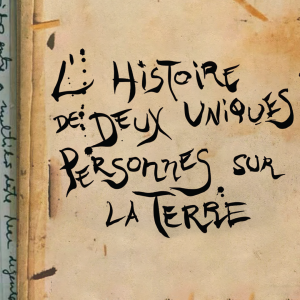
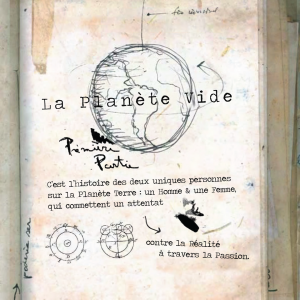
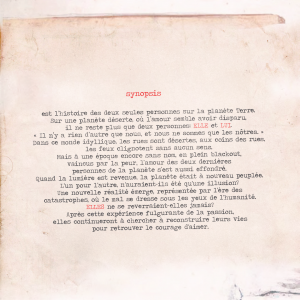
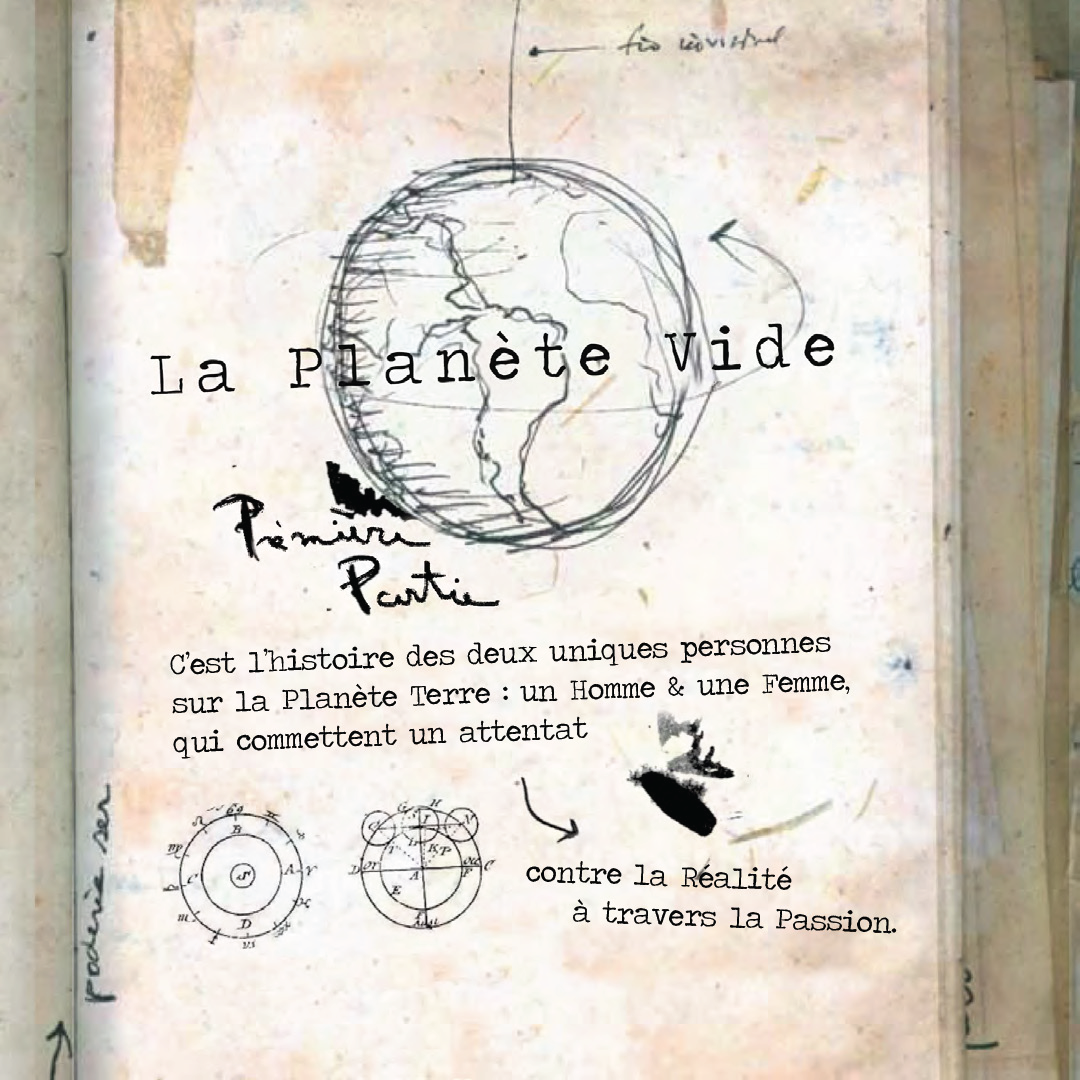
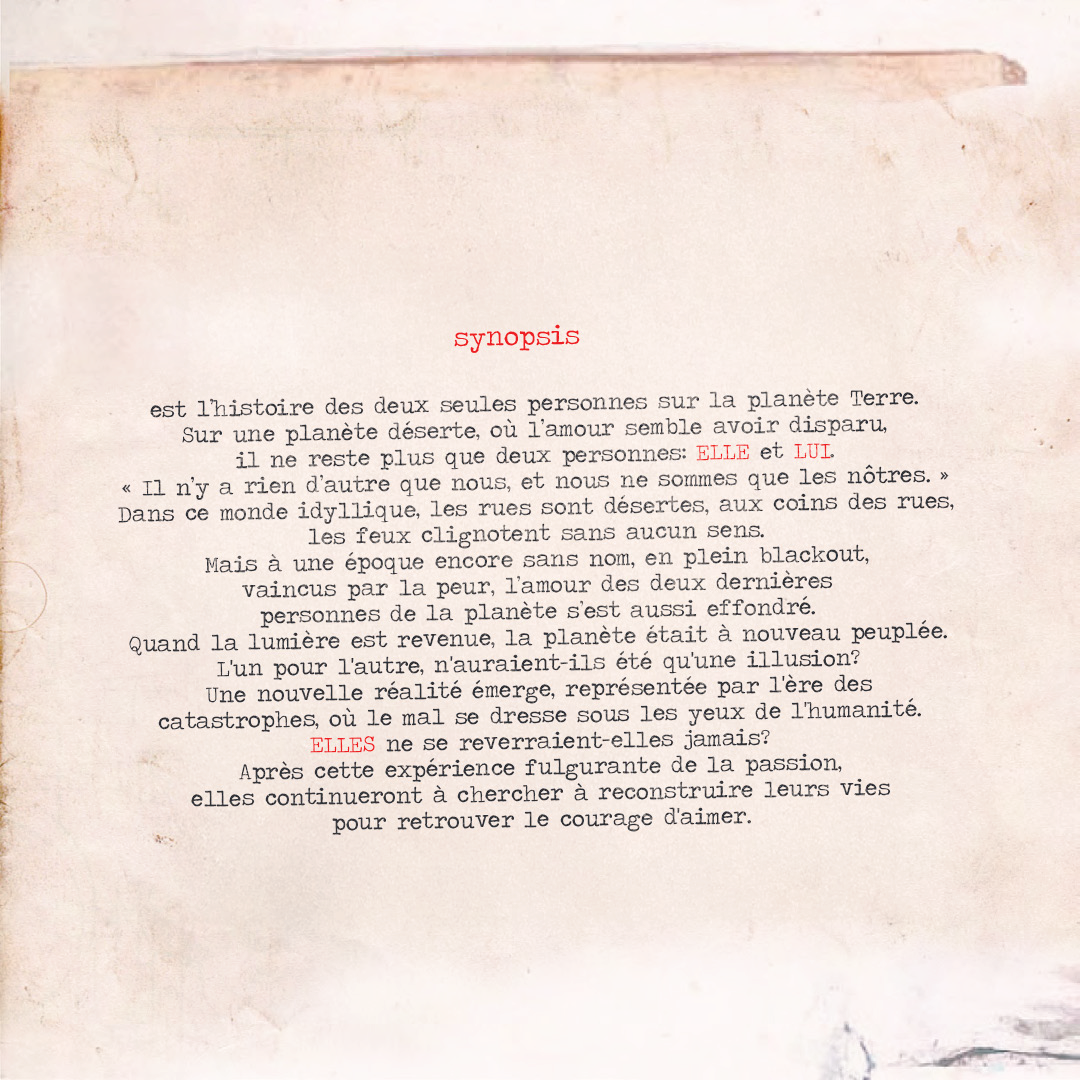
“Lost Objects” is the story of “The Only Two People on Planet Earth.”

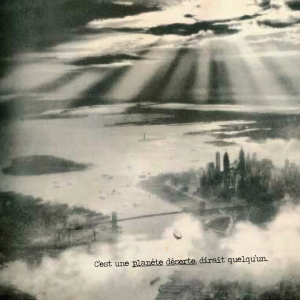
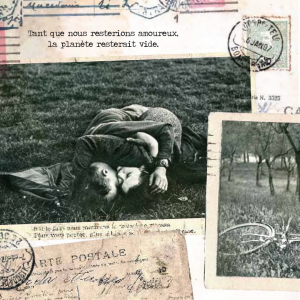
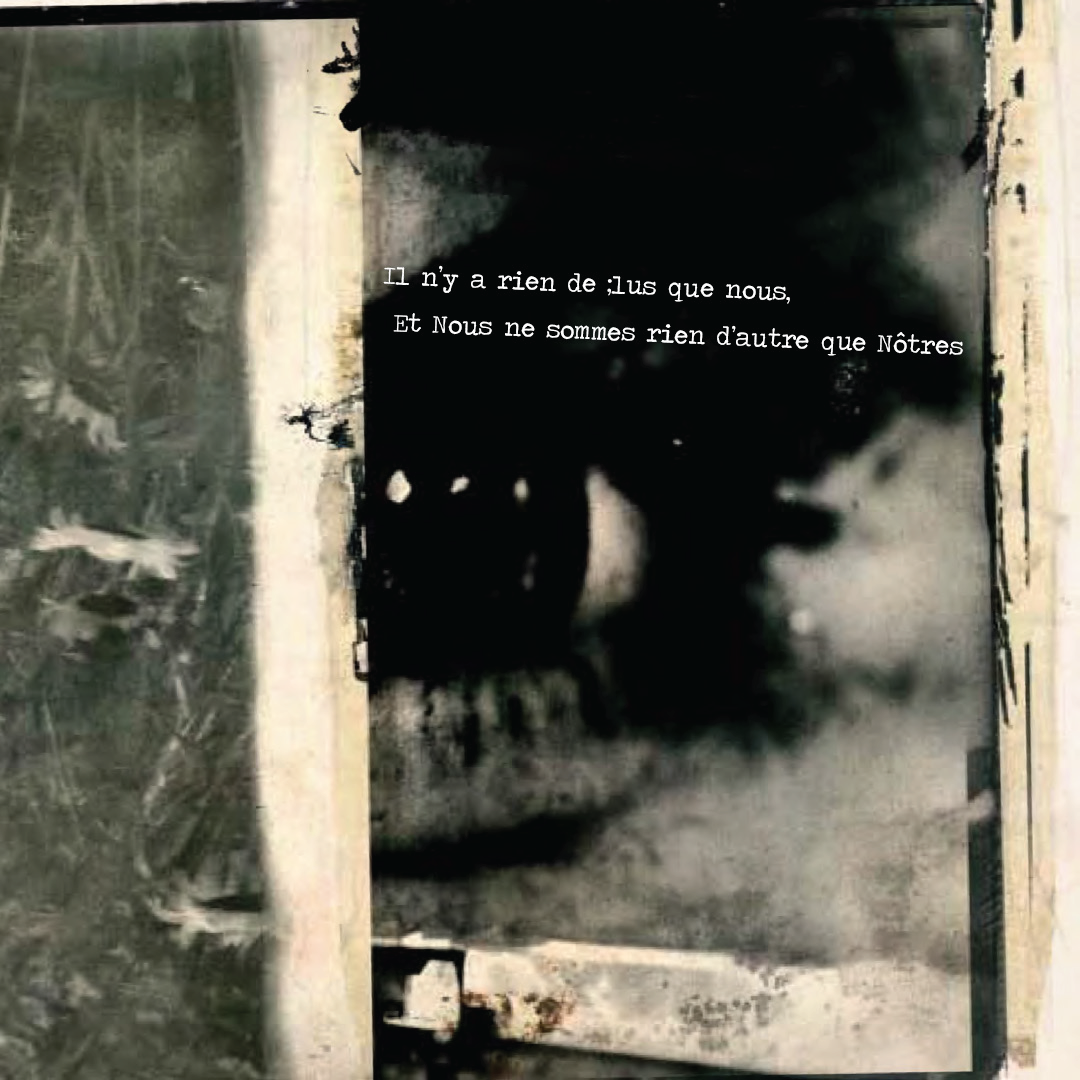
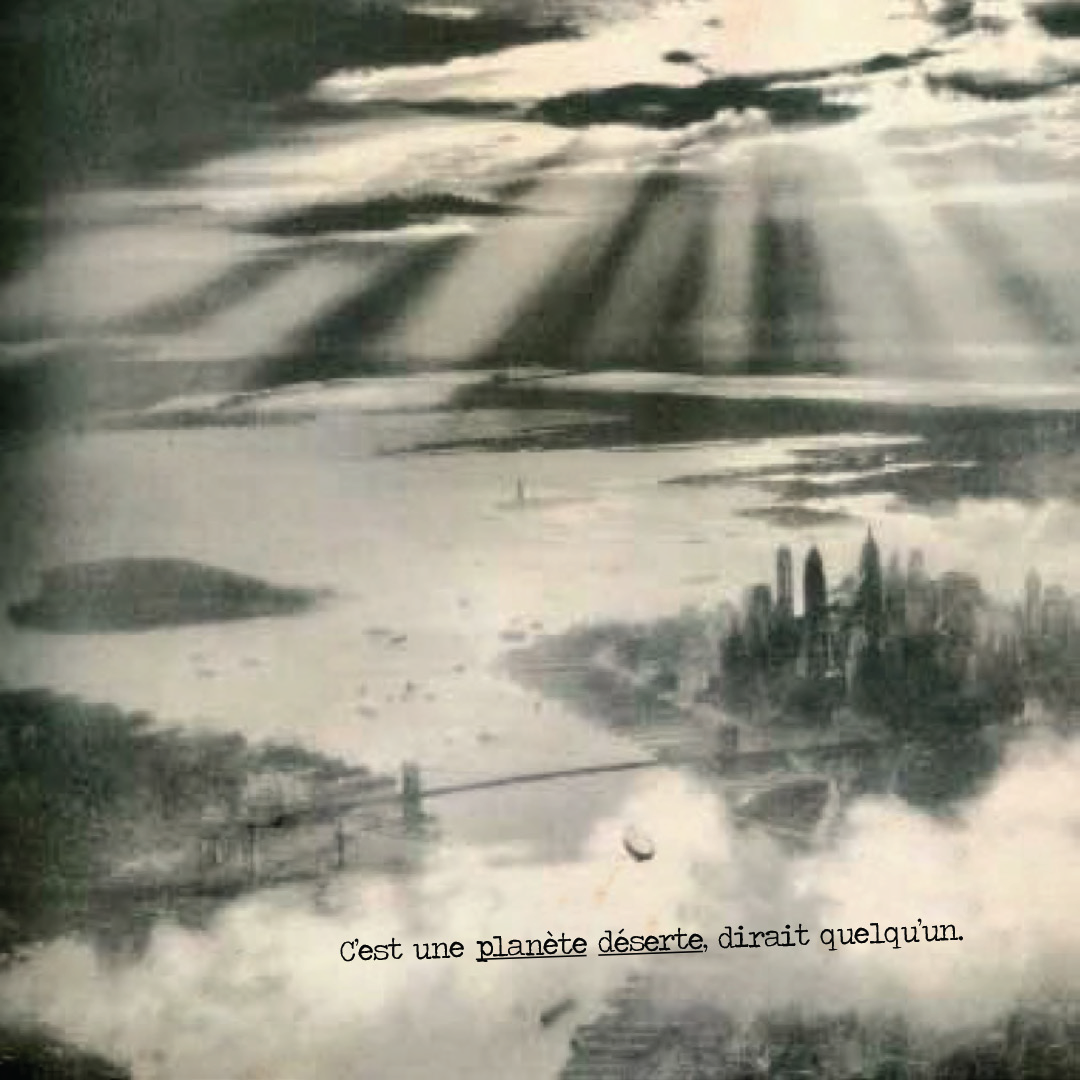
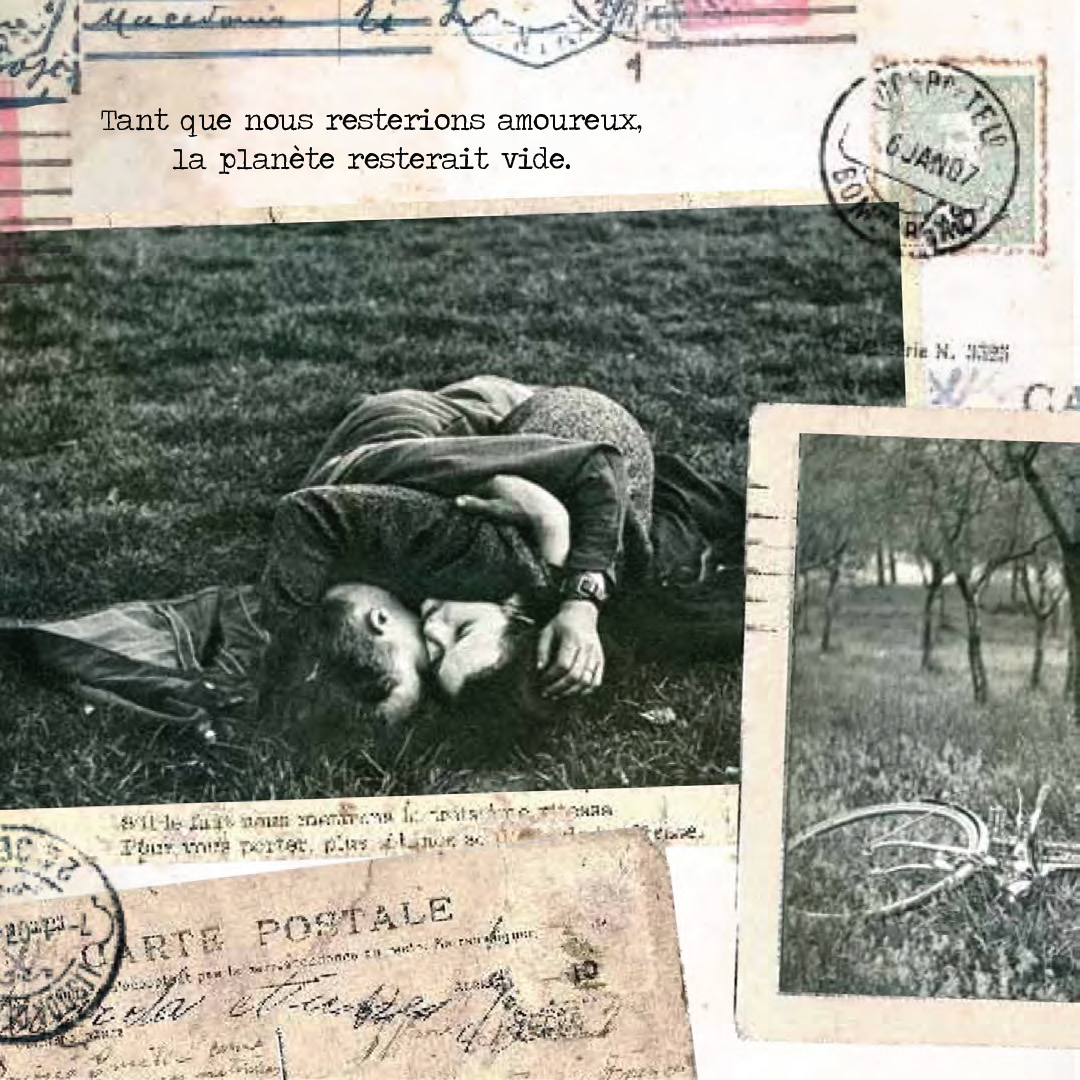
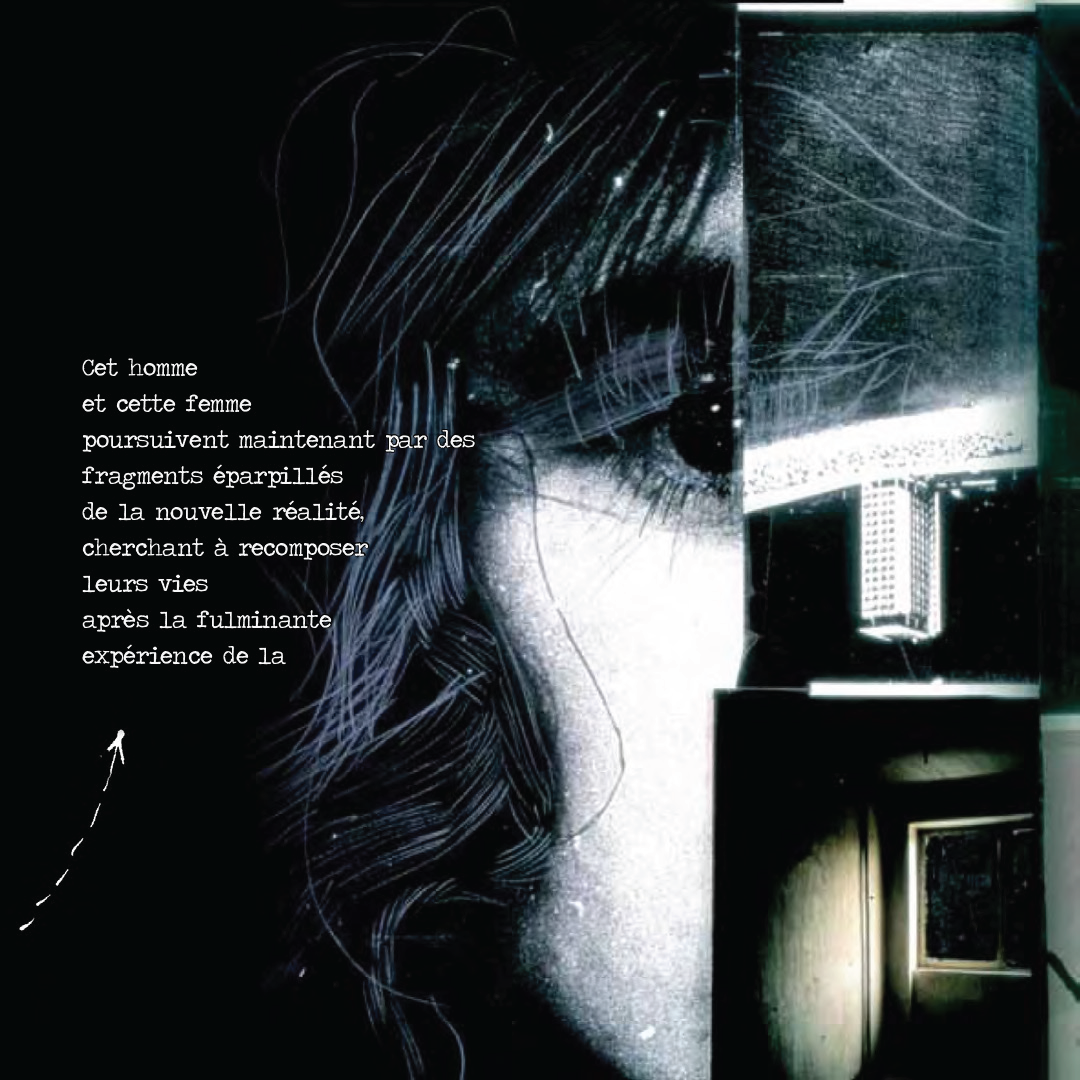
On an empty planet, where love seems to have vanished, there are only two people left. “There is nothing but us, and we are nothing but ourselves.”

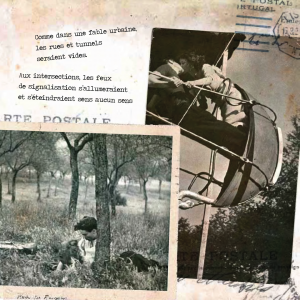
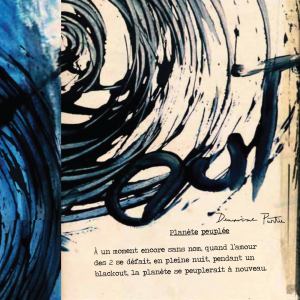
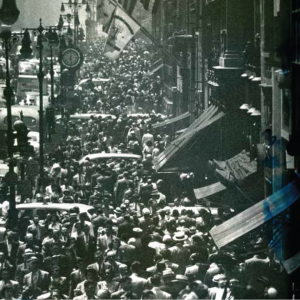
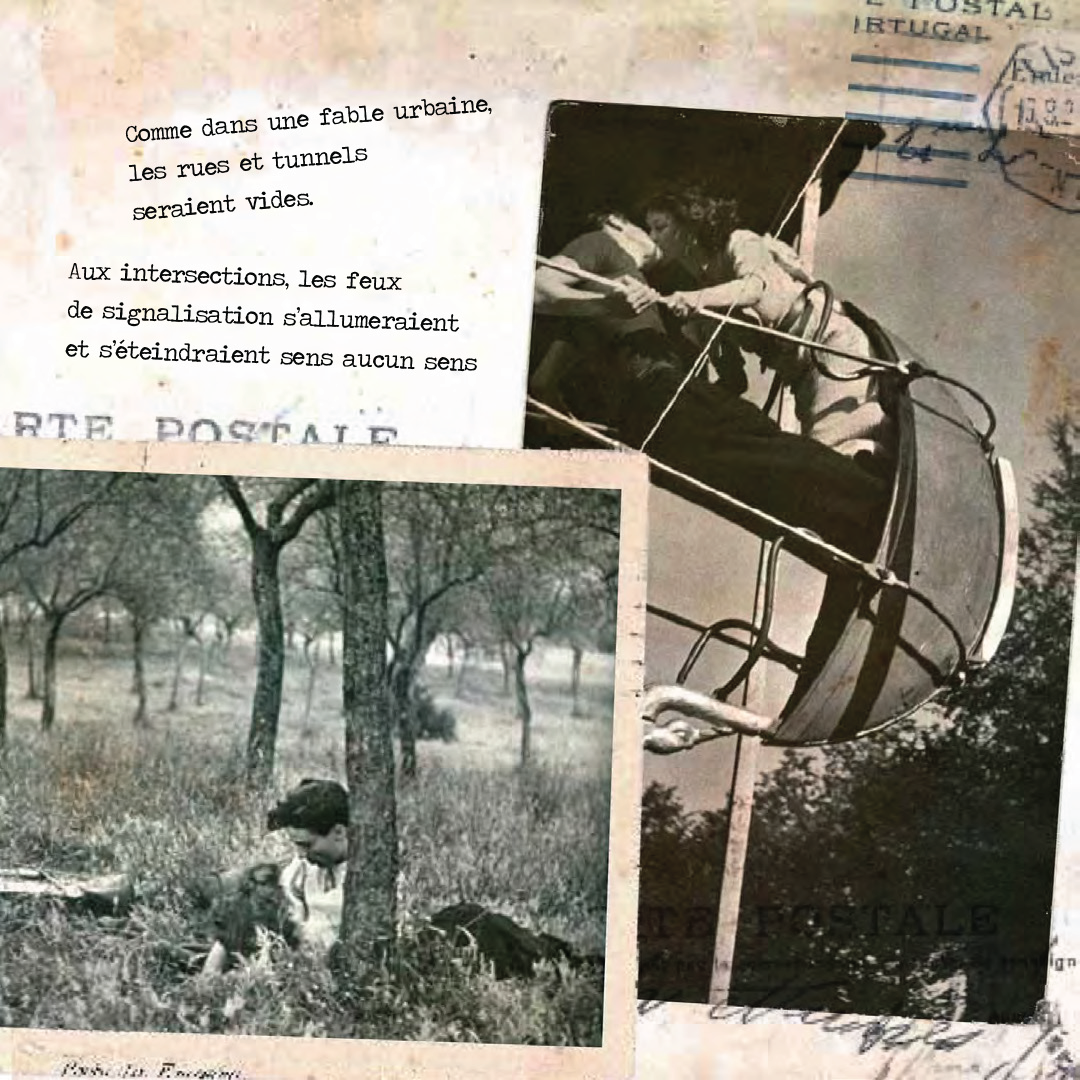
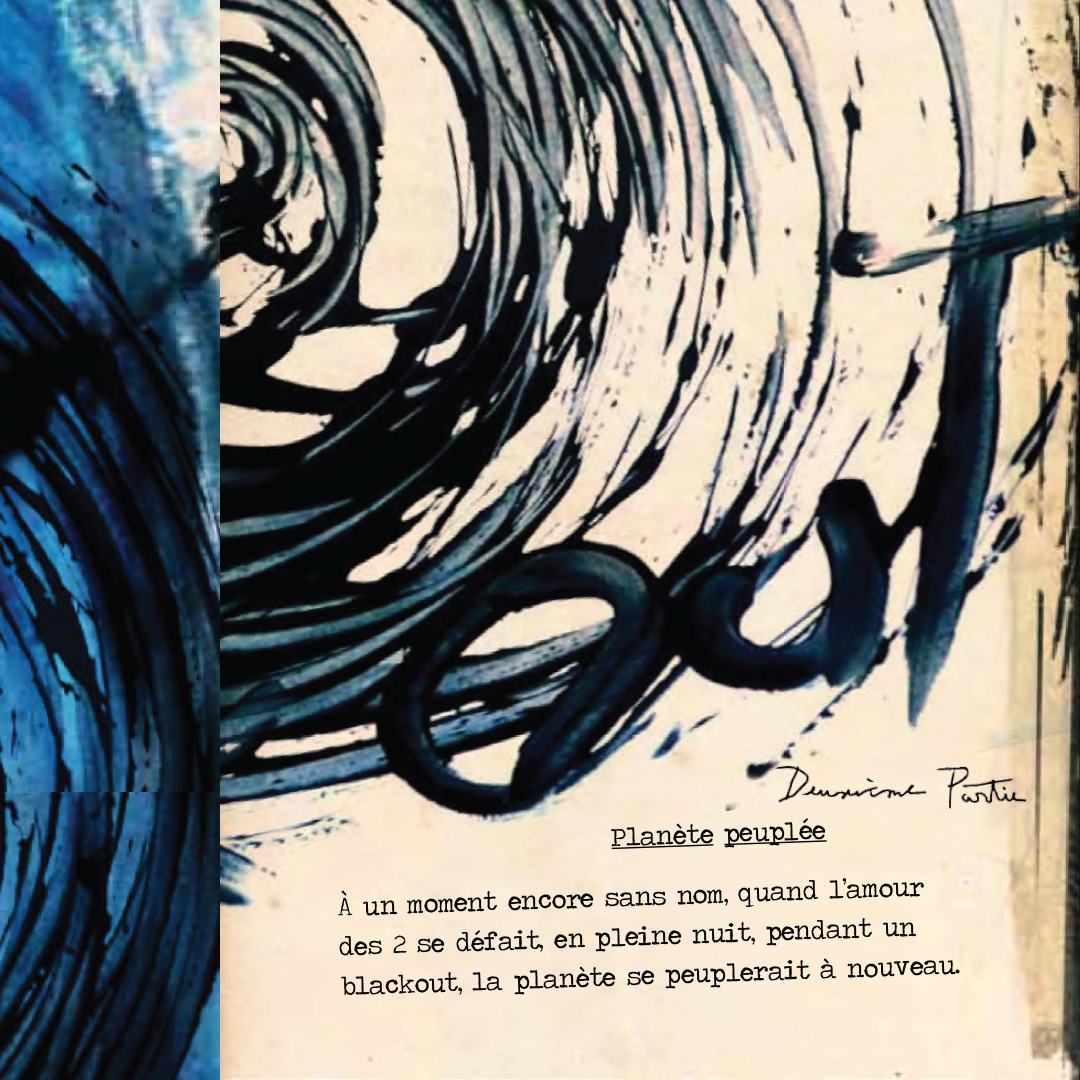
In this idyllic world, the streets are deserted. At the corners, traffic lights open and close without any meaning. But in a time still unnamed, in the midst of a blackout, overcome by fear, the love of the last two people on the planet also fell apart. When the light returned, the planet was populated once more.

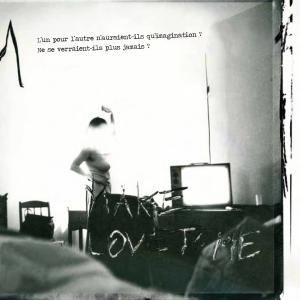
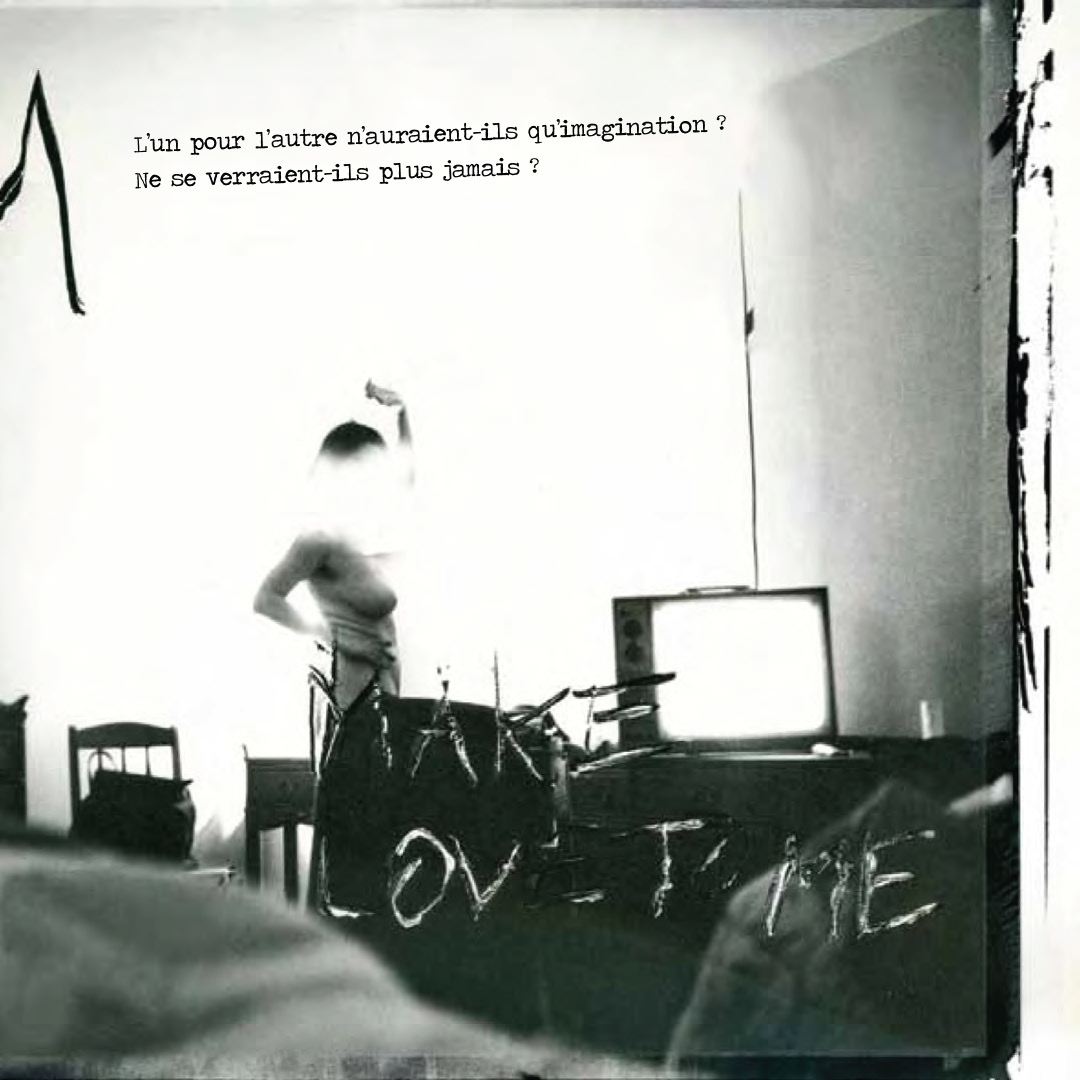
To each other, had they been nothing more than imagination?

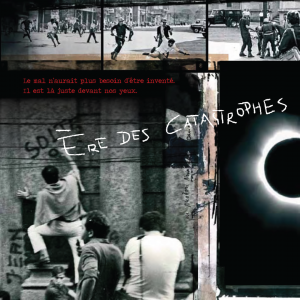
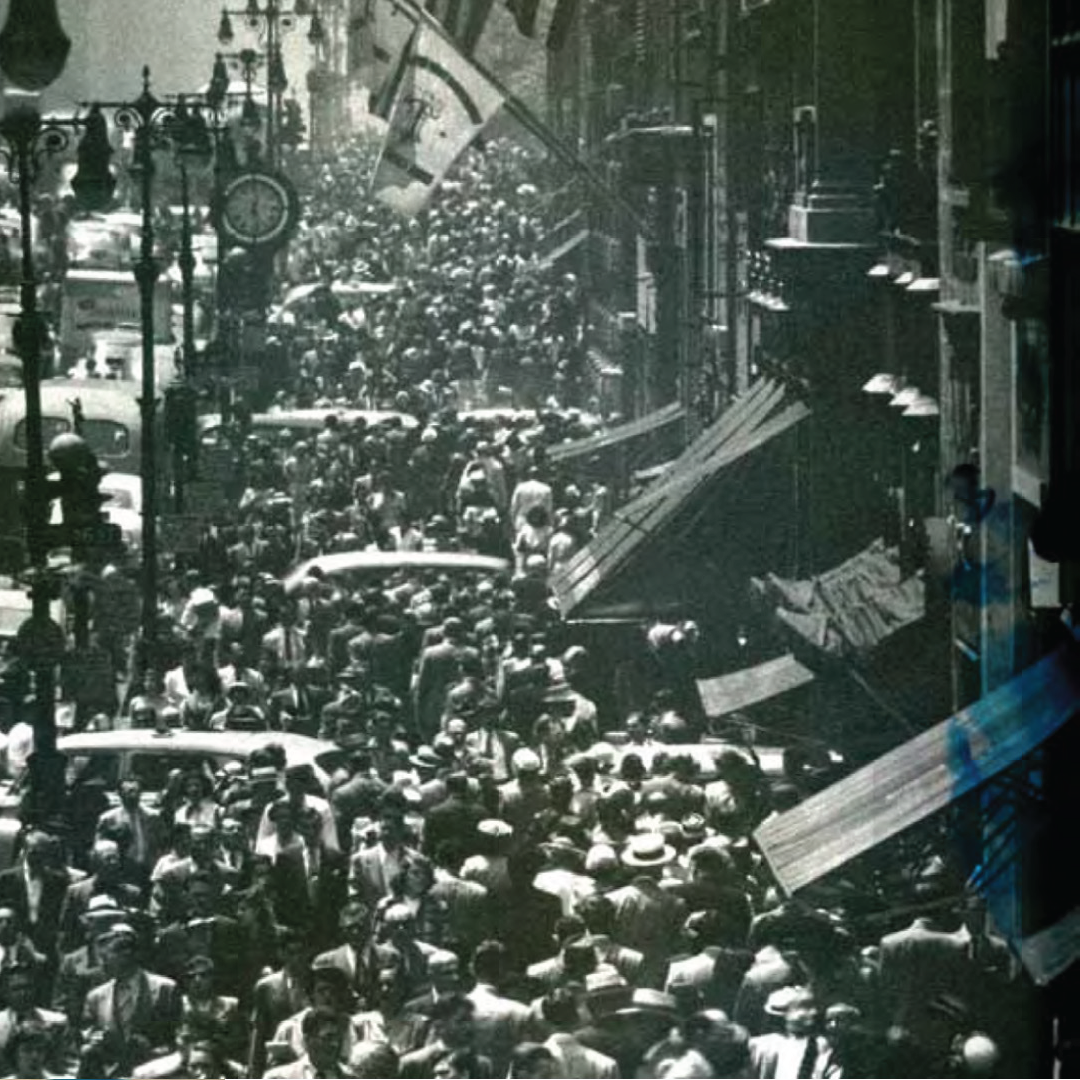
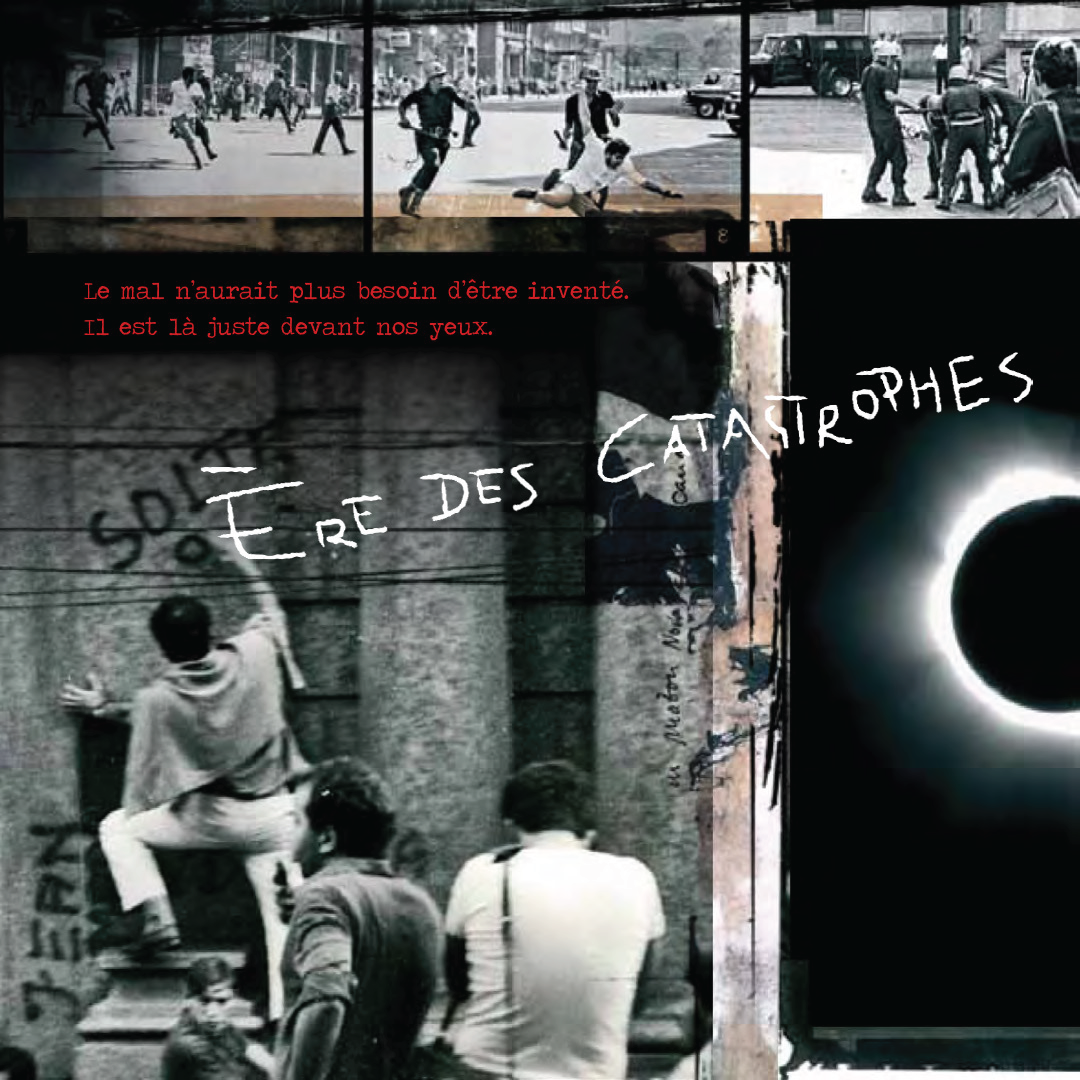
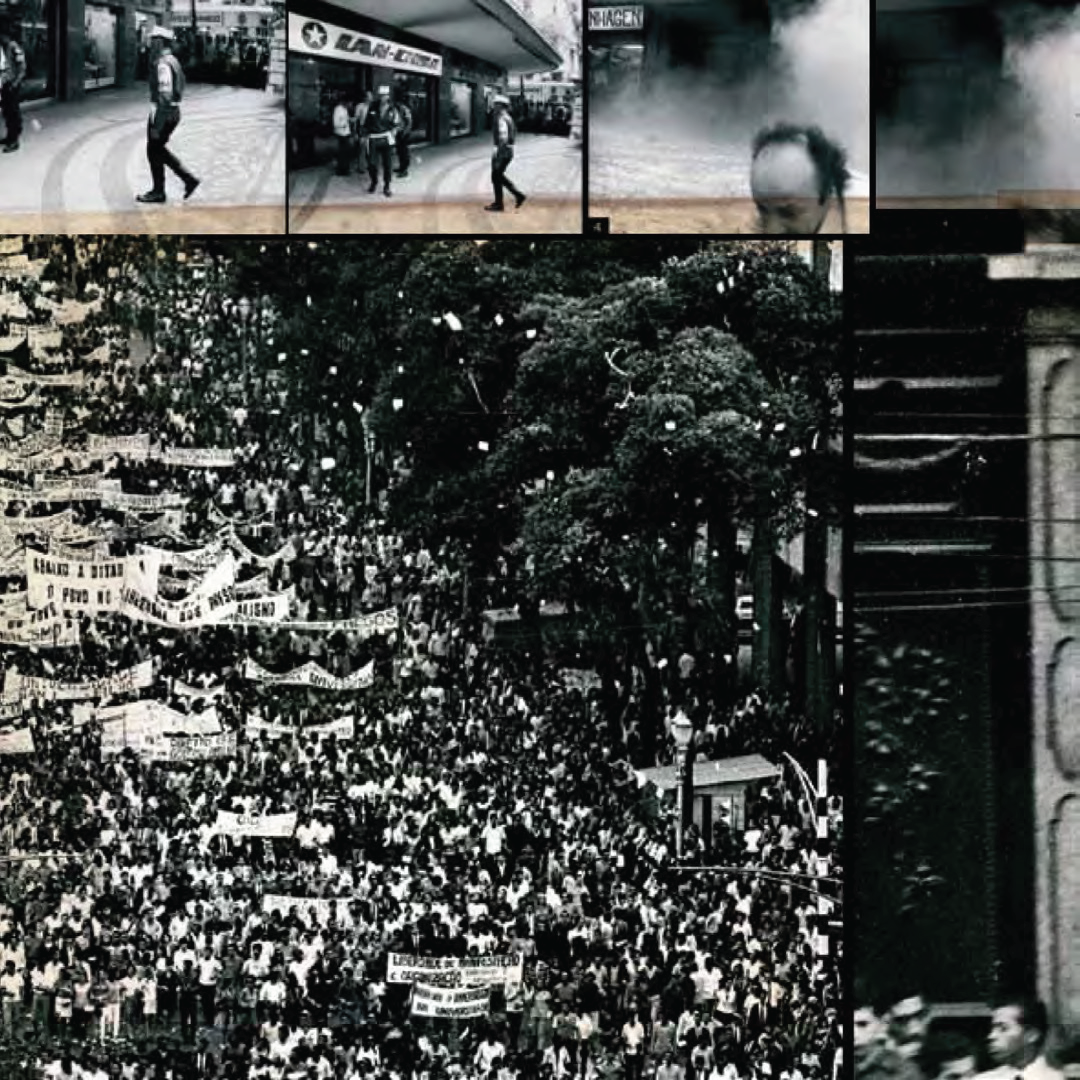
A new reality emerges, represented by the age of catastrophes, where evil stands humanity in the face.
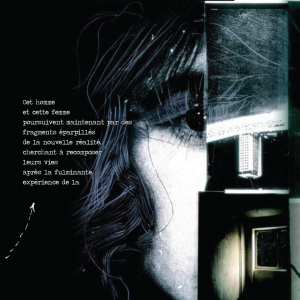
Would they ever see each other again? After the overwhelming experience of passion, they will continue to seek to rebuild their lives to rediscover the courage to love.

Director’s Vision

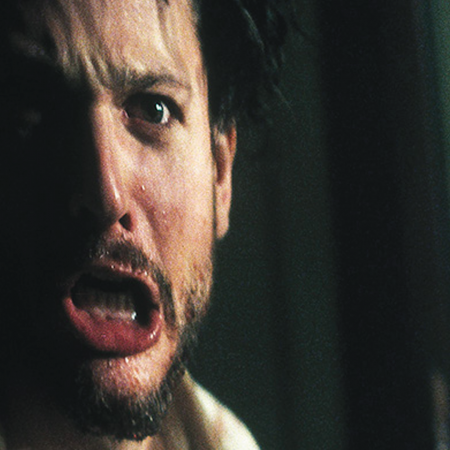
A modern fable about love – this substance that seems to be disappearing from planet Earth. As for the film’s genre, I call it “chemical fiction,” a sort of dialogue with science fiction. After all, love is such a powerful force in our lives that we can hardly say for sure whether that encounter really happened or if it was the result of the magical chemistry that fuels our amorous imagination.
Critical Fortune

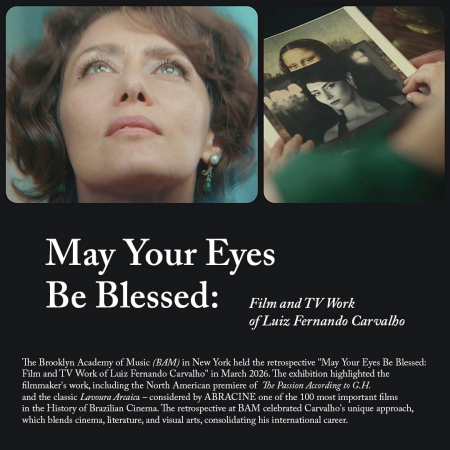
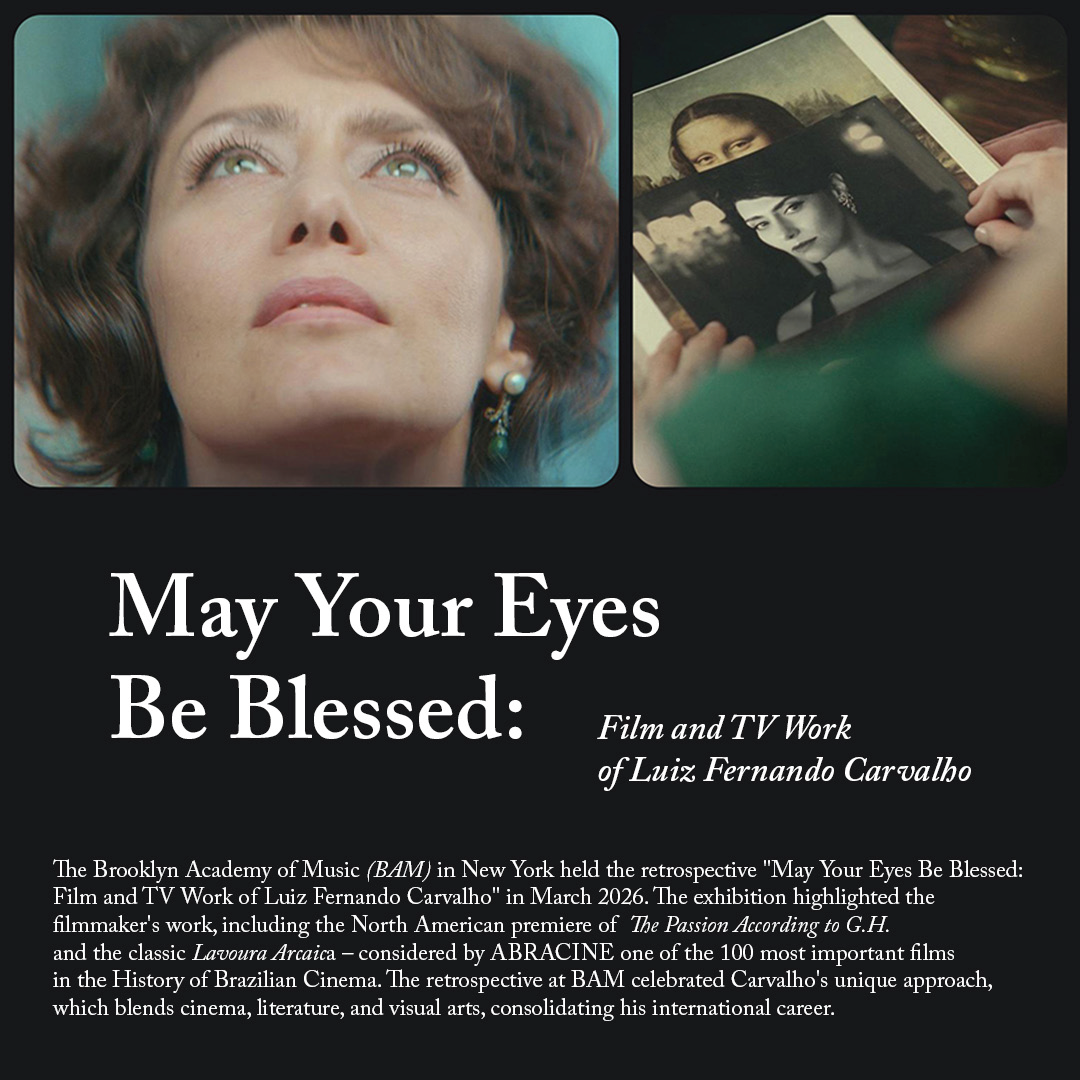
May Your Eyes Be Blessed

  • BAM Film 2026

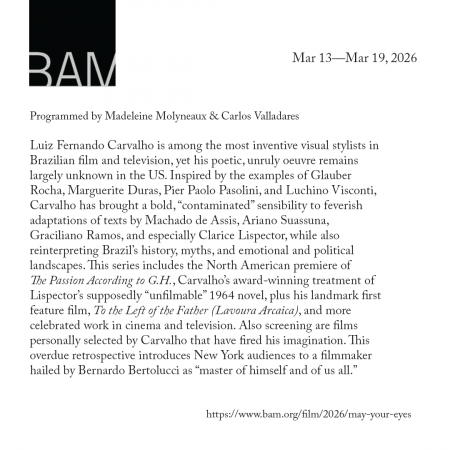
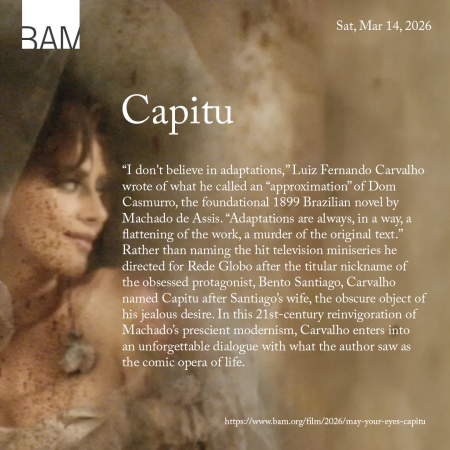
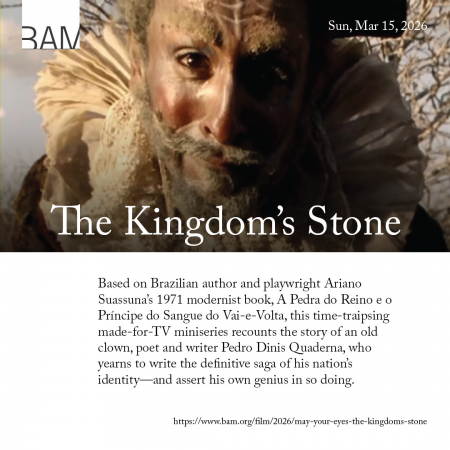
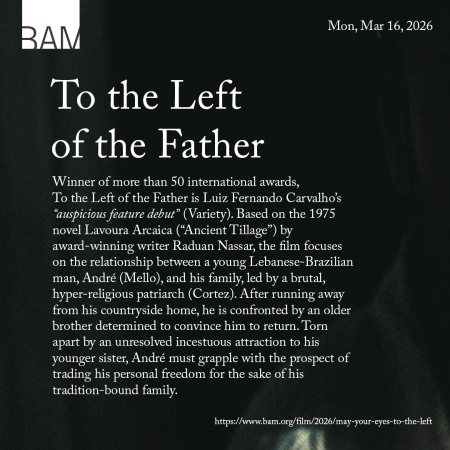
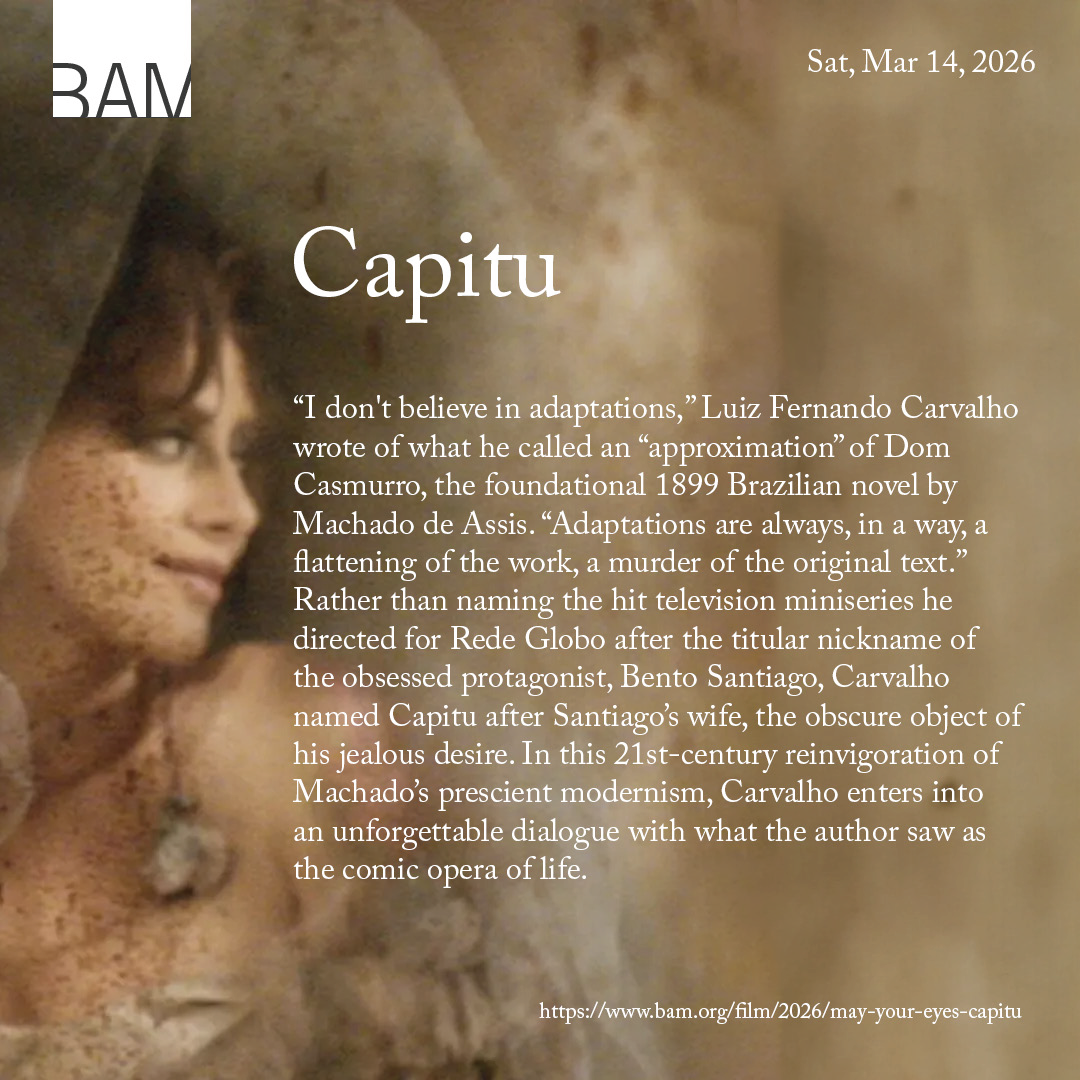
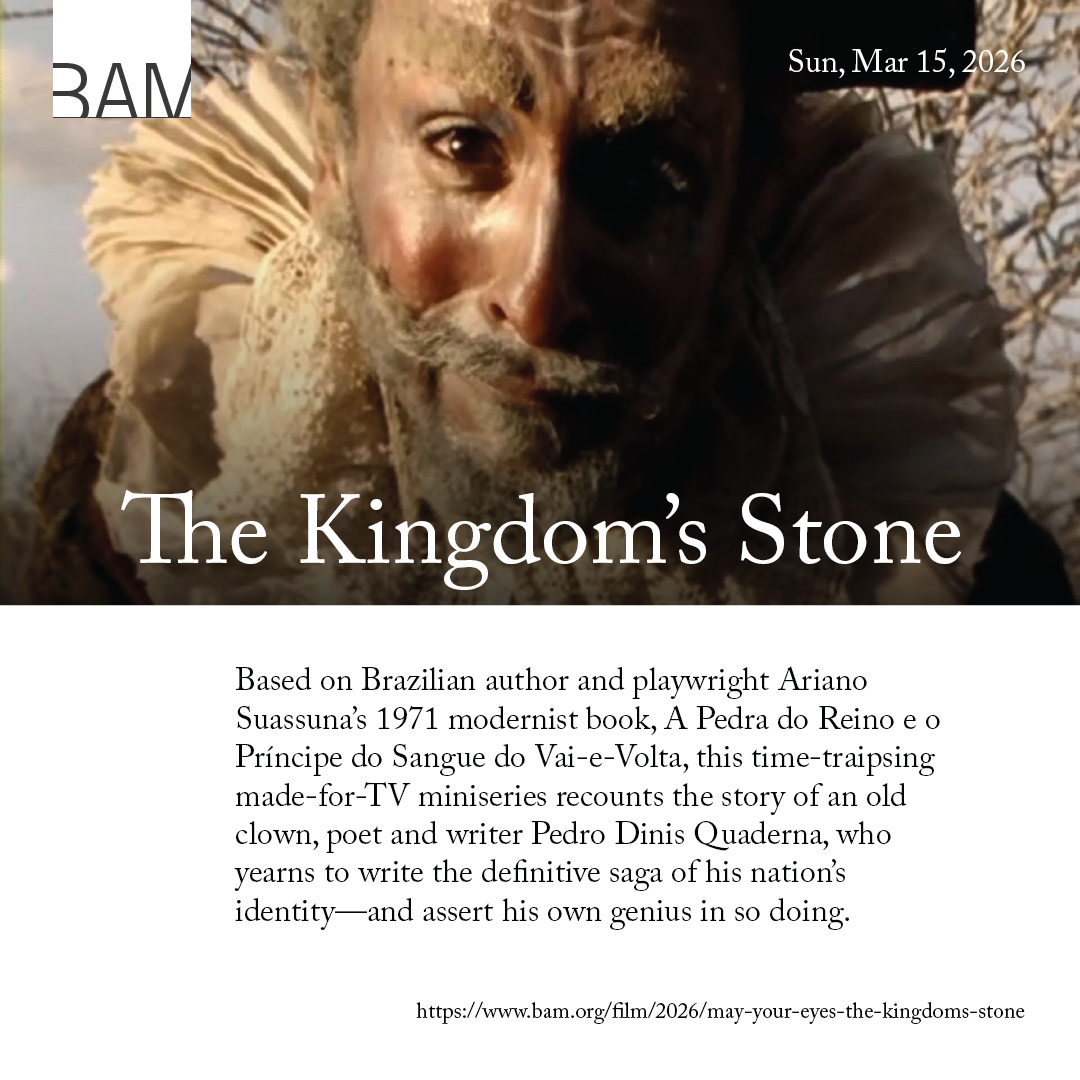
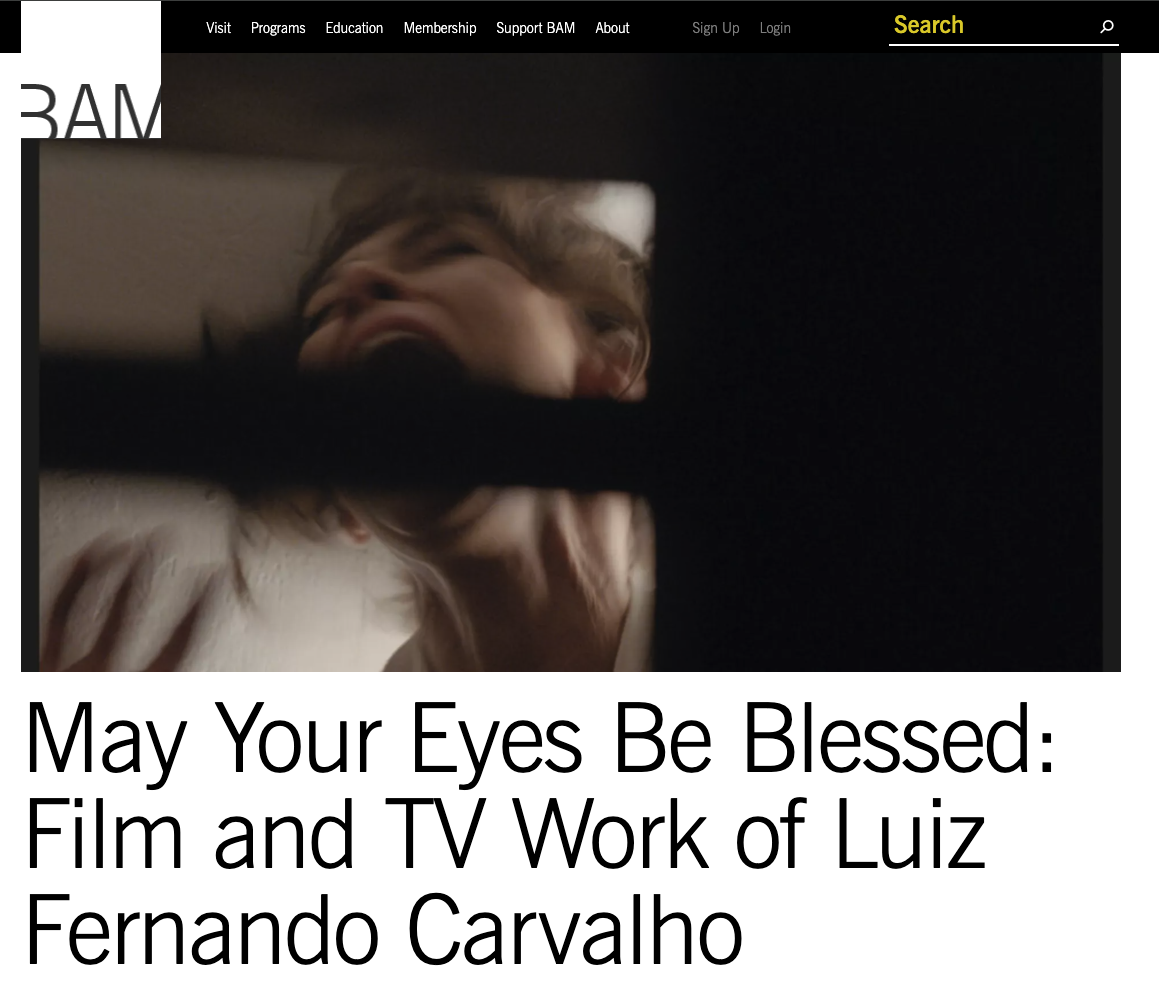
Luiz Fernando Carvalho is among the most inventive visual stylists in Brazilian film and television, yet his poetic, unruly oeuvre remains largely unknown in the US. Inspired by the examples of Glauber Rocha, Marguerite Duras, Pier Paolo Pasolini, and Luchino Visconti, Carvalho has brought a bold, “contaminated” sensibility to feverish adaptations of texts by Machado de Assis, Ariano Suassuna, Graciliano Ramos, and especially Clarice Lispector, while also reinterpreting Brazil’s history, myths, and emotional and political landscapes. This series includes the North American premiere of The Passion According to G.H., Carvalho’s award-winning treatment of Lispector’s supposedly “unfilmable” 1964 novel, plus his landmark first feature film, To the Left of the Father (Lavoura Arcaica), and more celebrated work in cinema and television. Also screening are films personally selected by Carvalho that have fired his imagination. This overdue retrospective introduces New York audiences to a filmmaker hailed by Bernardo Bertolucci as “master of himself and of us all.”

Leia Mais